

Sustainable Home Design Guidance Explained
New government guidance promotes sustainable home design to ensure quality and resilience in all future housing developments. This article explores how these rules focus on high-quality builds and climate resilience. The new standards aim to create better neighbourhoods for everyone across the country.
Improving Quality Through Sustainable Home Design
 The government wants to change how we build new houses. New rules ensure that every home reflects the needs of modern life. For instance, builders must now include space for remote working. They must also design flexible layouts for growing families.
Matthew Pennycook serves as the housing and planning minister. He believes that excellent development should be the standard everywhere. Consequently, the government is taking steps to improve home design and build quality. These new standards make neighbourhoods more attractive and sustainable.
Furthermore, the guidance helps smaller developers meet these high expectations. The government plans to launch model design codes later this year. These codes provide clear rules for creating successful and popular places.
Tackling Climate Change Through Design
Climate change remains a top priority for the new building rules. The government identifies seven key features for well-designed places. These include nature, movement, and climate resilience. Developers must now create spaces that cope with changing weather patterns.
Additionally, the plans encourage the use of green spaces. These areas help to reduce overheating in busy towns. They also provide lovely spots for social interaction. Such designs promote better health and well-being for all residents.
Buildings must also stand the test of time. The guidance focuses on creating homes that are built to last. This approach reduces waste and protects the environment for future generations.
Creating Connections With Sustainable Home Design
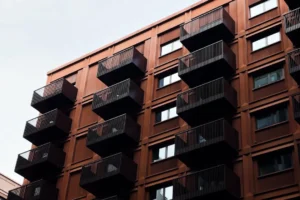 Fundamentally, good design extends beyond the walls of a single house. Consequently, the new guidance focuses heavily on well-connected neighbourhoods. Furthermore, it encourages builders to place shops and services within walking distance. Notably, this includes vital amenities like GP surgeries and local schools.
Moreover, local authorities must now set a clear vision for their areas. They use masterplans and local design codes to guide growth. This ensures that new developments fit the local culture and context.
Industry experts support these changes wholeheartedly. Joe Stenson from Barratt Redrow praises the focus on people-led design. He believes this consistent approach will speed up local planning decisions.
A Holistic Approach to Future Housing
The Royal Institute of British Architects also welcomes the update. They appreciate the focus on accessible amenities and high-quality spaces. Architects play a vital role in bringing these new visions to life.
In conclusion, these rules aim to unlock millions of new homes. The government wants to boost the housing supply quickly. However, they refuse to sacrifice quality for speed. These standards ensure that new communities feel the benefits of growth.
By following this guidance, builders create places where people truly want to live. The focus remains on resilience, beauty, and local identity. This strategy secures a brighter and greener future for UK housing.