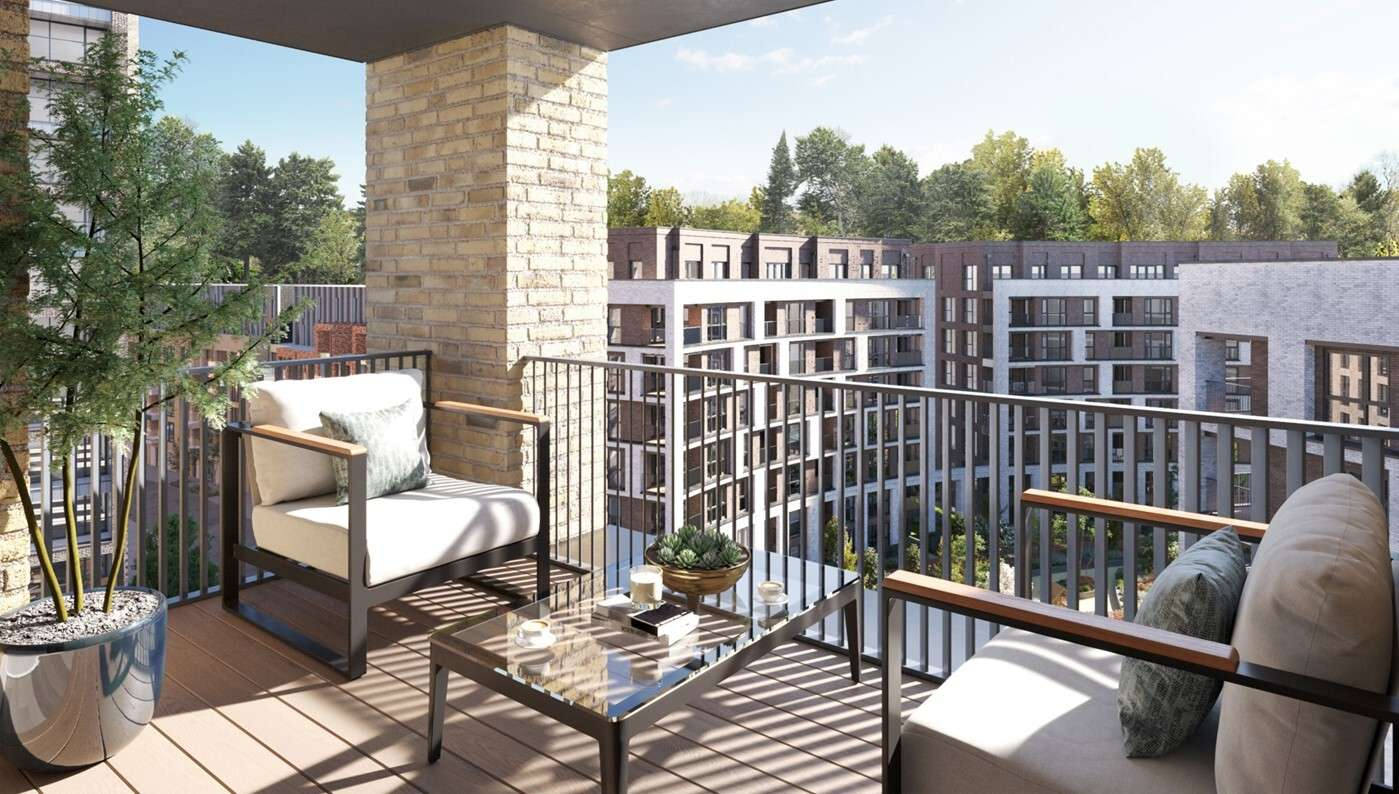

Energy Efficient New Build Homes Outshine Renovations
Energy efficient new build properties are becoming the top choice for buyers seeking convenience, lower costs, and sustainability. Some dream of restoring a tired old building to its former glory, while others prefer to pick up the keys and move straight in. But in 2025, the balance appears to be tipping away from “fixer-uppers” and towards modern, ready-made homes – with new-builds often leading the way.
A Shift in Buyer Priorities
 Traditionally, renovation projects offered the allure of snapping up a bargain and potentially boosting its value through refurbishment. However, rising construction costs, unpredictable timelines, and tighter profit margins have taken much of the shine off that approach.
In contrast, new-build developments – fuelled by government targets to increase housing supply – are drawing in a growing share of buyers and investors. With no immediate repairs to worry about and fewer maintenance headaches, they’re proving hard to resist for those who value convenience and certainty.
Quality Over Potential: Energy Efficient New Build
Recent research from Market Financial Solutions has highlighted a clear change in buyer sentiment. Surveying 2,000 UK adults, the study revealed that nearly 80% placed the property’s quality and finish at the very top of their priority list when purchasing.
By comparison, the prospect of extending or converting a home ranked lowest in importance, with just over half (56%) seeing it as a key factor. The message is clear: in today’s high-cost borrowing environment, buyers are favouring stability over speculative value-adding projects.
Paresh Raja, CEO of Market Financial Solutions, summarised the trend:
“There’s an increasing appetite for homes in excellent condition. With borrowing costs still higher than in the 2008–2022 period, buyers want predictability. Renovation work carries uncertainty – from fluctuating material costs to delays – which can complicate financing and erode returns.”
The Investor’s Dilemma: Renovate or Buy New?
For property investors, the choice between a doer-upper and a new-build depends on several factors – budget, location, timescale, and the ultimate goal.
Property “flipping” once promised quick profits by buying cheaply, renovating, and selling on. But today, a combination of higher stamp duty, expensive borrowing, and surging labour costs has made that path far more challenging.
Jonathan Fowler of Fowler Smith Mortgages notes another pressing consideration: energy efficiency.
“EPC ratings are becoming a major concern. The government’s Net Zero agenda will require rental properties to achieve a minimum EPC rating of C by 2030. For some homes, that’s a simple matter of loft insulation or a boiler upgrade. But for many older Victorian or Edwardian properties, reaching a C rating could require extensive – and costly – work.”
The EPC Challenge for Older Homes
Period properties may have undeniable charm, but they also come with structural limitations. Solid brick walls often can’t accommodate cavity insulation, and traditional wooden floors can let in draughts.
Without substantial upgrades – such as double glazing, floor insulation, and modern heating systems – these homes may struggle to meet the incoming standards. This could reduce rental income, resale value, and demand. Moreover, lenders and government schemes may offer better financing for energy-efficient properties.
Why New-Builds Are Gaining the Edge
 New-build properties are generally constructed to meet (and often exceed) current energy efficiency standards, meaning fewer worries about compliance down the line. They also tend to offer:
- Lower maintenance costs in the early years.
- Modern layouts that suit contemporary living.
- Warranty protection covering structural and fixture issues.
- Energy savings from high-grade insulation and efficient heating systems.
For buyers seeking a low-stress move, and for investors aiming for a stable rental yield without surprise repair bills, these advantages are increasingly appealing.
Not the End for Renovation Projects
While the pendulum may be swinging towards new-builds, renovation still has its place in the market. For those with the skills, vision, and risk tolerance, transforming a neglected property can yield both financial and personal rewards.
However, as Paresh Raja points out, flexibility is key:
“Every buyer is different. Some thrive on the challenge of a project, others want a turnkey solution. Lenders need to provide finance options that suit both mindsets – allowing buyers to act quickly when the right property comes along.”
The Bottom Line: Energy Efficient New Build
In today’s climate of higher interest rates, strict energy efficiency targets, and rising construction costs, many buyers and investors are deciding that certainty trumps potential. New-builds offer just that – a ready-to-live-in home with fewer financial surprises.
For those considering their next property purchase, the decision often hinges on one crucial question. Ultimately, is it worth trading the romance of a renovation for the peace of mind of a move-in-ready home?