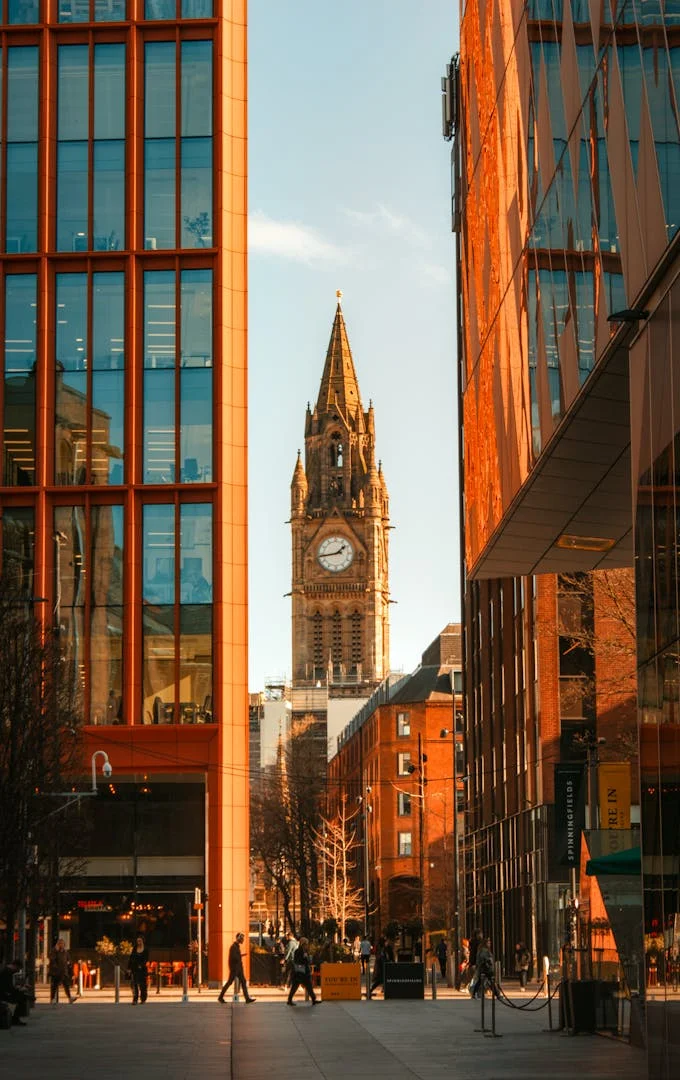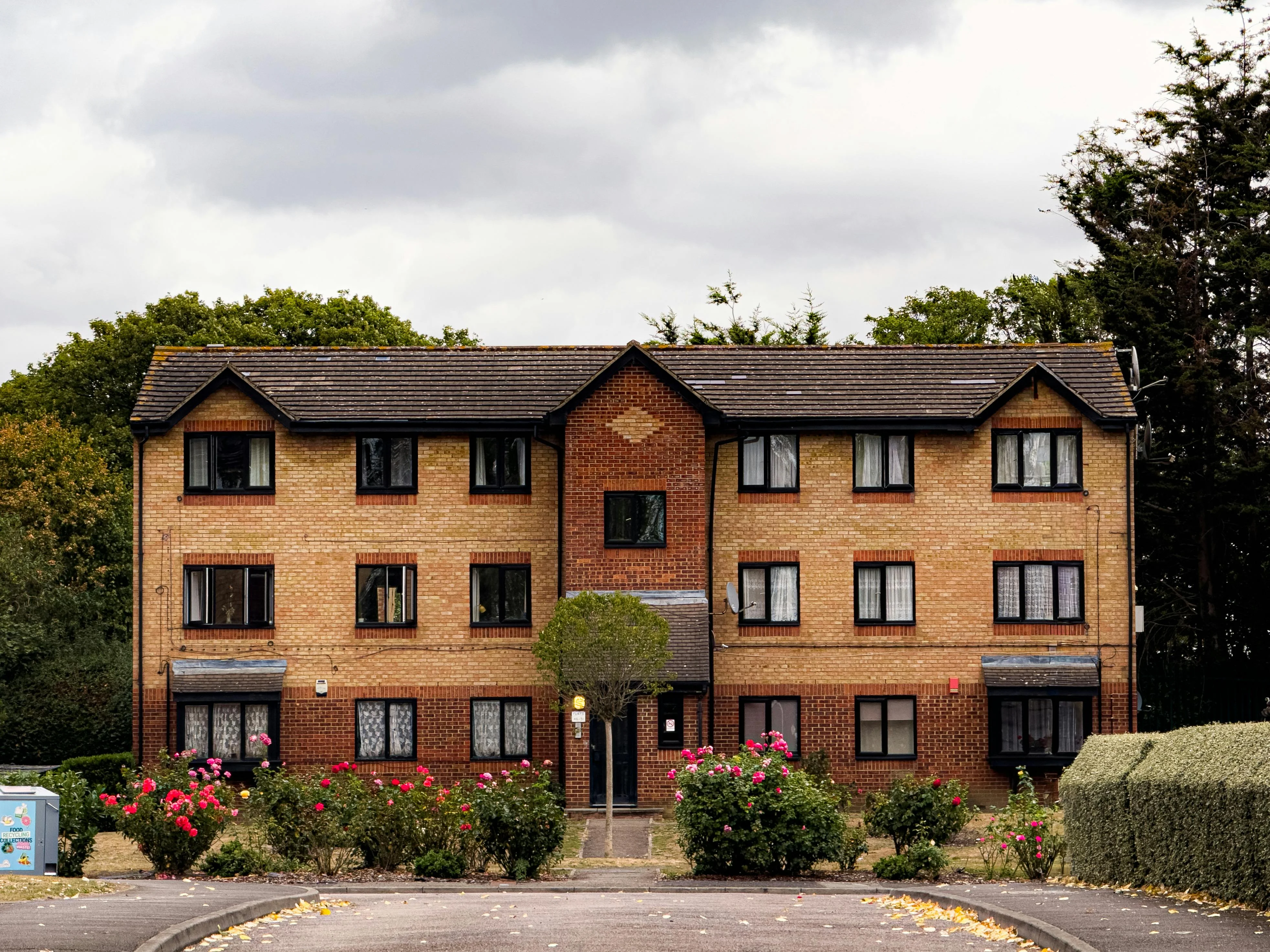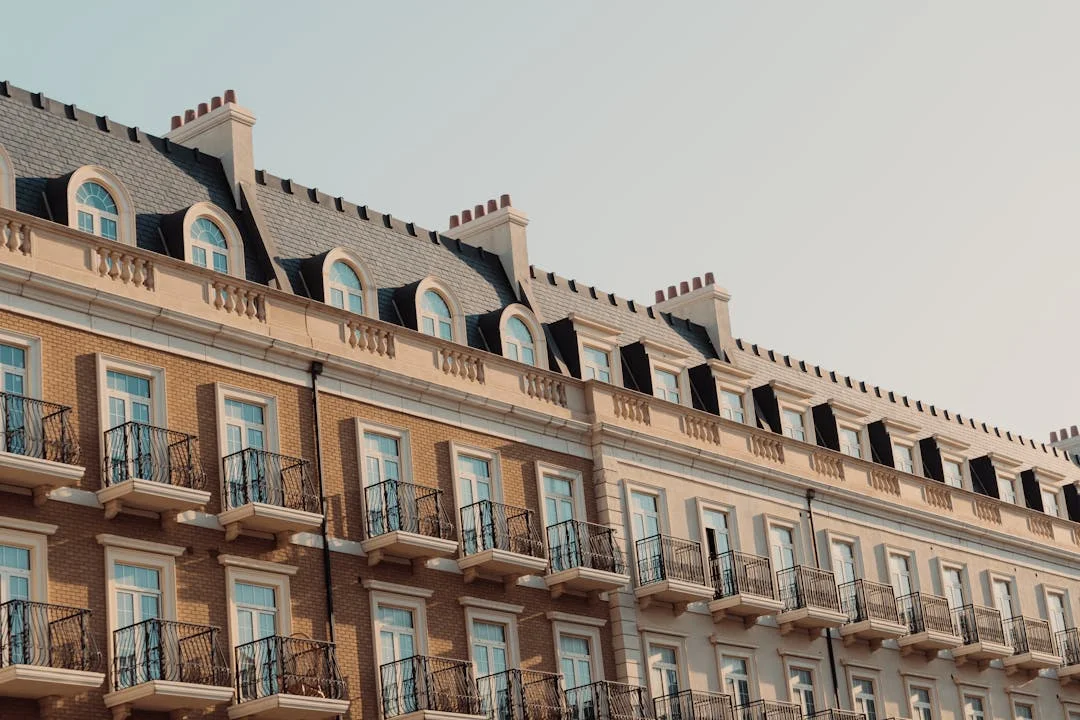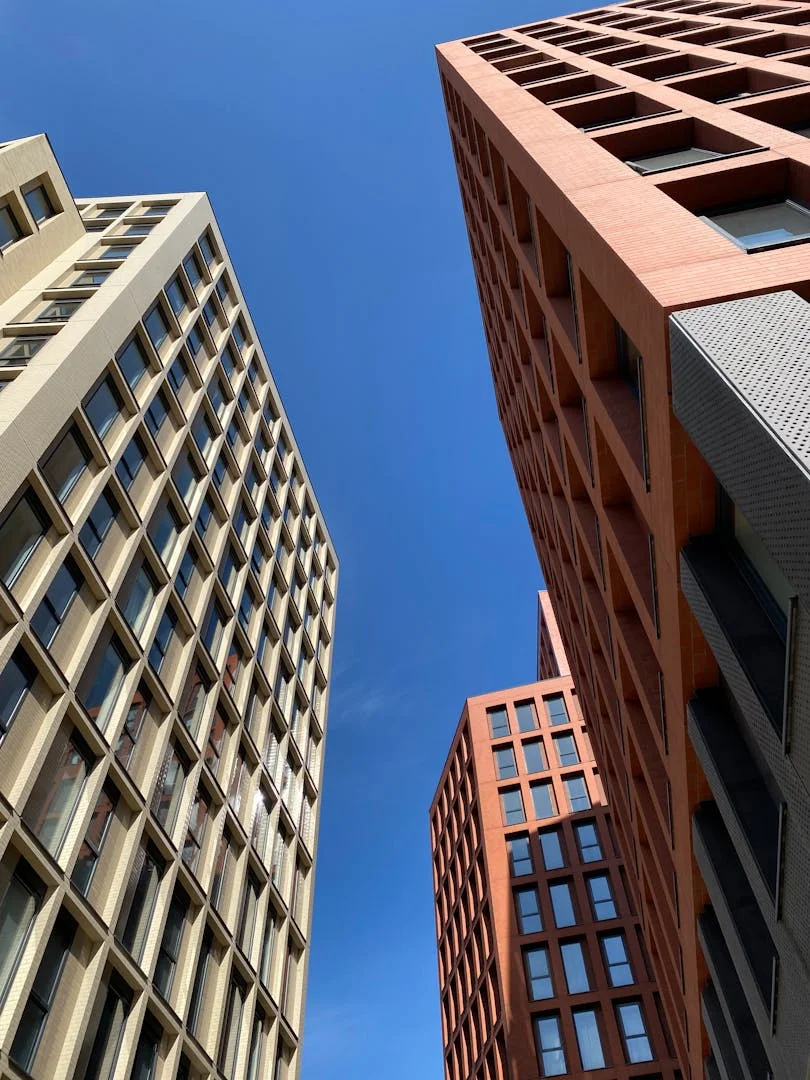
Manchester Property Prices are Surging
Discover why Manchester property prices average £254,000. Explore regeneration projects boosting your investment returns. Annual price growth hits an impressive 4% to 5%. Meanwhile, London manages a mere 0% to 1% growth.
Clearly, Manchester dominates the current UK property investment landscape. Leading property indices confirm these impressive regional market statistics. Global investors actively seek high-performing overseas property assets.
They often ask why Manchester Piccadilly attracts such intense interest. The answer involves brilliant transport links and mass regeneration. Job creation also drives massive demand for local housing.
This guide explains the Manchester Piccadilly property boom comprehensively. You will discover key growth drivers and exact investment numbers. Therefore, you can make an informed overseas investment decision confidently.
Market Data Driving Investor Returns
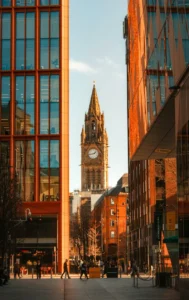 Flats currently cost roughly £199,000 in central Manchester locations. Meanwhile, terraced homes range between £230,000 and £240,000 typically. Semi-detached properties command about £300,000 on average right now.
Detached homes in premium areas exceed £450,000 quite easily. Furthermore, rental growth remains incredibly strong across the city. Average monthly rents now sit firmly at £1,345 overall.
Recent rental spikes hit 7% to 9% previously. However, growth rates have recently stabilised around 2% to 3%. Consequently, Piccadilly yields even higher rental returns for landlords.
Tenants gladly pay premiums for central station access daily. They value living near bustling commercial and leisure hubs. Thus, investors secure reliable income streams from professional renters.
Understanding Manchester Property Prices Near Piccadilly
The Manchester Piccadilly station provides excellent direct rail connections. Commuters easily travel to London, Birmingham, and Leeds daily. Therefore, professional tenants flock to this strategic transport hub.
Additionally, massive regeneration transforms the surrounding urban landscape completely. The Mayfield scheme exemplifies this ongoing city development perfectly. Developers will build 1,500 new homes behind Piccadilly station.
Moreover, the project delivers 2.3 million square feet of workspace. Experts anticipate the creation of 13,000 brand new jobs. Naturally, these workers require convenient local housing options immediately.
Consequently, this localised demand pushes property prices upward consistently. Smart investors purchase units before these massive projects finish. Ultimately, early action guarantees maximum capital appreciation over time.
Neighbourhood Expansion and Continuous Growth
Manchester expands its vibrant city centre towards the east. Ancoats and the Northern Quarter already experience soaring demand. Consequently, independent shops and hospitality venues thrive here successfully.
Development around Piccadilly connects these popular districts seamlessly together. This creates a large, continuous urban core for residents. As a result, property values rise steadily across boundaries.
Furthermore, the expanding footprint creates new micro-markets for investors. These emerging zones offer lower entry prices initially. Later, they deliver substantial returns as gentrification takes hold.
Infrastructure Projects Elevating Manchester Property Prices
The Strategic Regeneration Framework outlines ambitious future development phases. Local authorities plan additional homes and extensive employment spaces. Similarly, long-term infrastructure proposals promise significant city improvements soon.
Northern Powerhouse Rail plans feature underground high-speed rail platforms. These specific platforms will increase station capacity significantly eventually. Furthermore, undergrounding frees up prime surface land for building.
Meanwhile, business expansion actively fuels continuous housing market demand. Finance, technology, and media companies relocate to Manchester regularly. Consequently, they bring highly skilled workers into the region.
Education and International City Profile
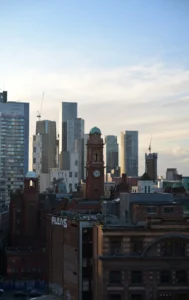 Two major universities support over 88,000 students currently. Many successful graduates choose to stay in Manchester permanently. Therefore, landlords enjoy a constant supply of reliable tenants.
Additionally, Greater Manchester wants to host the 2035 Ryder Cup. Leaders also propose a future northern UK Olympic bid. These prestigious international events would attract massive foreign investment.
Consequently, early investors could reap substantial rewards. The city simply offers unparalleled growth potential right now. Undoubtedly, Manchester represents a world-class property investment destination today.
Frequently Asked Questions
What is the average property price in Manchester currently? Current market data indicates an average property price of £254,000. Meanwhile, city centre flats typically cost around £199,000.
Why do Piccadilly rents cost more than average? Tenants demand easy access to the central train station. They also want proximity to major employment zones nearby.
How much do Manchester property prices grow annually? Property prices currently grow by 4% to 5% annually. This comfortably beats London’s flat 0% to 1% growth.
What exactly is the Mayfield regeneration scheme? It is a massive development project behind Piccadilly station. The scheme brings 1,500 homes and 13,000 new jobs.
Why should buyers invest in Manchester? Manchester offers stable growth and excellent long-term rental demand. Extensive infrastructure projects guarantee future capital appreciation for investors.